Need walk-in showers services in Painesville?
- Reach local providers for tubs and showers
- Request an estimate with no obligation
- Honest tips on DIY limits
- Options for senior bathing
No obligation
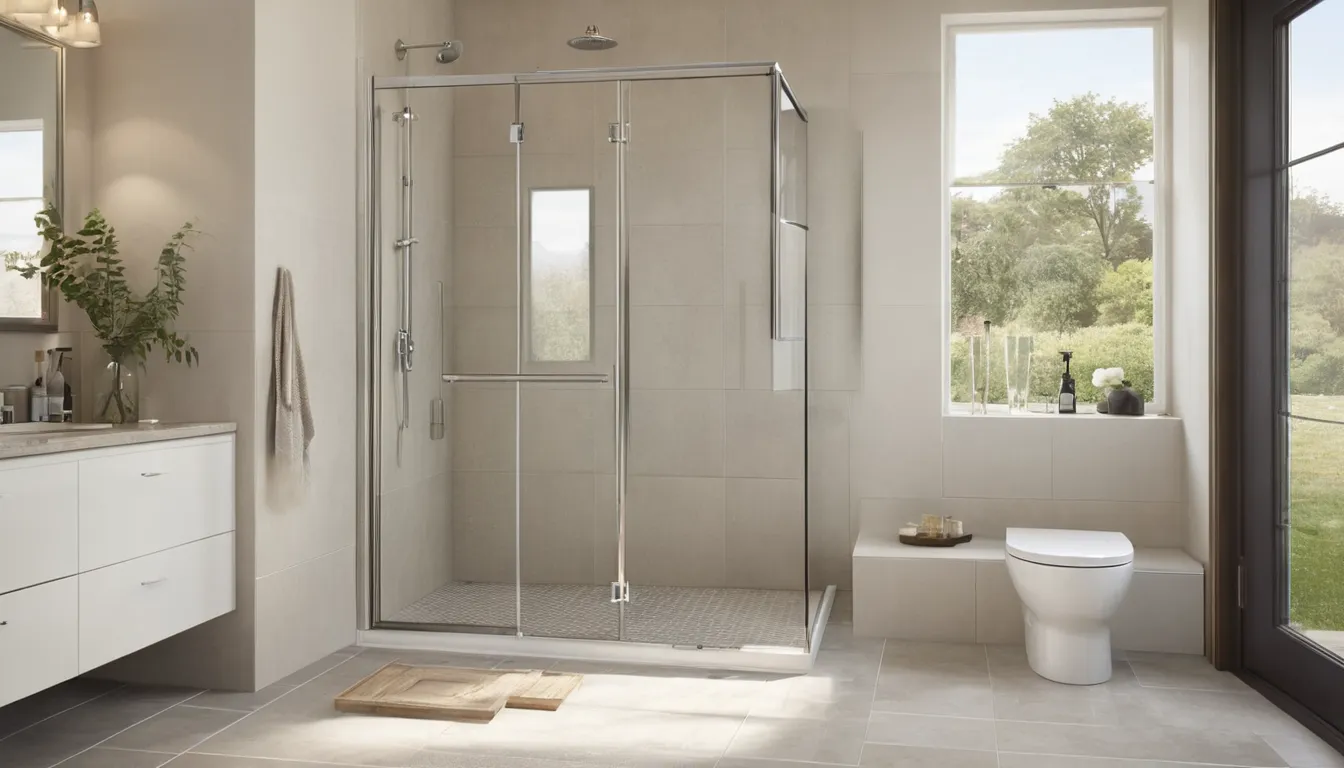
Climbing over a tub edge gets harder with sore knees, balance changes, or a recent surgery. A walk-in shower swaps that climb for a low step or no step at all. It is one of the most common safe bathing conversions in homes across the Painesville area.
Queencoach Walk-In Tubs is a referral service. We do not do the work. We connect you with independent local providers in our network who handle walk-in showers, from simple low-threshold bases to curbless, handicap accessible showers. You can measure the space, clear the room, and note what you need, such as a seat, grab bars, or a handheld sprayer. The provider handles cutting, plumbing, and waterproofing. Request an estimate to compare options and get a written quote before any work starts.
For many people, the hard part is lifting a leg over the tub wall. While you plan a better setup, a few quick fixes can lower the risk.
Know where to stop. A grab bar has to bite into a stud or solid blocking, not just tile. A bar that pulls loose under weight is worse than no bar. Let a provider set that.
A walk-in shower takes away the tall wall. You step in at a low height, or roll in, and turn on the water. That cuts the lift, the balance move, and the long stand on wet ground. It is a popular safe bathing conversion for people with stiff joints or a walker. It also suits anyone who just wants an easier morning.
Short on time to compare listings? Request a callback to check provider availability and get matched with an independent local provider in our network.
A low-threshold shower keeps a small lip, often an inch or two, to hold water in. It is simpler to build and often costs less. A curbless shower has no lip. The floor slopes gently to the drain. This is the usual pick for handicap accessible showers, since a walker or wheelchair rolls straight in.
Curbless work is harder. The floor under the shower may need to be lowered, and the slope has to be exact. Measure, then ask. Find out if you have a slab or wood joists, then tell the provider. Many older frame houses have joists, and that shapes the plan.
Pick the few that fit daily life. A long list adds cost without adding comfort.
Prefab kits use acrylic or solid-surface panels. They have few seams, go in faster, and wipe clean. Tile gives you more design choice, but it brings grout lines that need sealing and scrubbing. Tile also takes longer, since the waterproof layers must cure. In a small bath, a prefab base with wall panels is a practical middle ground. If you love a certain tile look, ask the provider how they waterproof it.
Here is the usual path when a tub gives way to a walk-in shower.
Drain slope, plumbing, and waterproofing are not weekend jobs. Leaks hide behind walls and show up months later. You can help by clearing the room, moving cabinets, and taking down towel bars you plan to reuse. Stop before cutting, drain work, or sealing.
Many prefab conversions take a few days. Curbless or tiled builds can run a week or more, since floor work and curing add steps. Surprises like soft subflooring or old pipes can stretch the schedule. Ask for a written timeline, and line up another place to wash during the job.
Ready to put numbers on it? Request an estimate and compare it with your budget.
Many frame houses and bungalows have narrow baths and older pipes. Ranch homes often have easier floor access. If you have a full basement, a provider may reach the drain from below, which can ease the work. In cold winters, pipes in outside walls need good insulation. In humid summers, a bath fan matters, so check that yours pulls air. Run it after each shower and wipe down the walls. Small habits protect new seals.
Wipe the walls and floor after showers with a soft cloth or squeegee. Use a mild cleaner, not harsh scrubbers that scar the surface. Check the caulk lines every few months. If one looks cracked or dark, note it and tell the provider. Do not paint over it. For comfort, set the water heater to a safe temperature and keep a non-slip mat on the floor outside, since wet feet leave the shower too.
Who will use it most? A tall adult, a smaller one, or someone who needs a caregiver nearby? Seat height, sprayer reach, and door width all depend on the answer. Think about transfers too. Some people stand, and others sit and slide. If a doctor or therapist is involved, bring their notes to the provider. Plan for the next five years, not only today. If a seated soak matters more, senior walk-in tubs are a different project, so mention that when you request an estimate.
Write the answers down. If you can, compare two quotes side by side.
A short lip keeps water in while keeping the step small. A simpler build for many bathrooms.
No lip at all, with a sloped floor to the drain.
Fold-down seats, grab bars set into solid blocking, and handheld sprayers make daily bathing steadier and easier.
A provider removes the old tub and rebuilds the space with a new base, walls, and waterproofing.
Prices vary a lot by bathroom size, floor type, and finish. These are typical U.S. ranges only. Hidden damage behind walls can add to a job. Ask each provider for a written quote that lists materials and labor.
| Item | Typical range | Notes |
|---|---|---|
| Prefab low-threshold shower | $3,000 – $8,000 | Panels and base; faster install |
| Tub-to-shower conversion | $4,000 – $10,000 | Includes tub removal and drain work |
| Curbless tiled shower | $8,000 – $20,000 | Floor and slope work add cost |
| Grab bars (each, installed) | $100 – $300 | Needs solid blocking or studs |
| Fold-down seat or bench | $150 – $1,000 | Depends on material and size |
| Wall repair or rot fix | $500 – $3,000 | Only if damage is found |
Share your bathroom size, who will use the shower, and whether you want a low lip or none.
Request a callback or use the request form to reach a provider.
Compare scope, materials, timeline, and warranty in writing.
The independent provider handles removal, plumbing, waterproofing, and installation, then walks you through care.
Skip the endless listings. A request puts your project in front of independent local providers in our network.
We explain what you can safely prep yourself and where plumbing and waterproofing need a trained provider.
Providers know area homes, from older frame houses to ranch layouts and basement setups.
Ask questions and request an estimate. You decide whether to move forward.
Many U.S. projects run from about $4,000 to $10,000 for a basic conversion. Curbless tiled showers cost more. Floor type, repairs, and finishes change the price, so get a written quote before you decide.
You can measure, clear the room, and pick features. Drain work, plumbing, and waterproofing are safer left to a provider, since hidden leaks can cause damage later.
A low-threshold shower has a small lip, often an inch or two. A curbless shower has none, which suits walkers and wheelchairs but needs more floor work.
Tell us about your bathroom and what makes bathing hard. Request an estimate and a local provider in our network can follow up with next steps.
No obligation